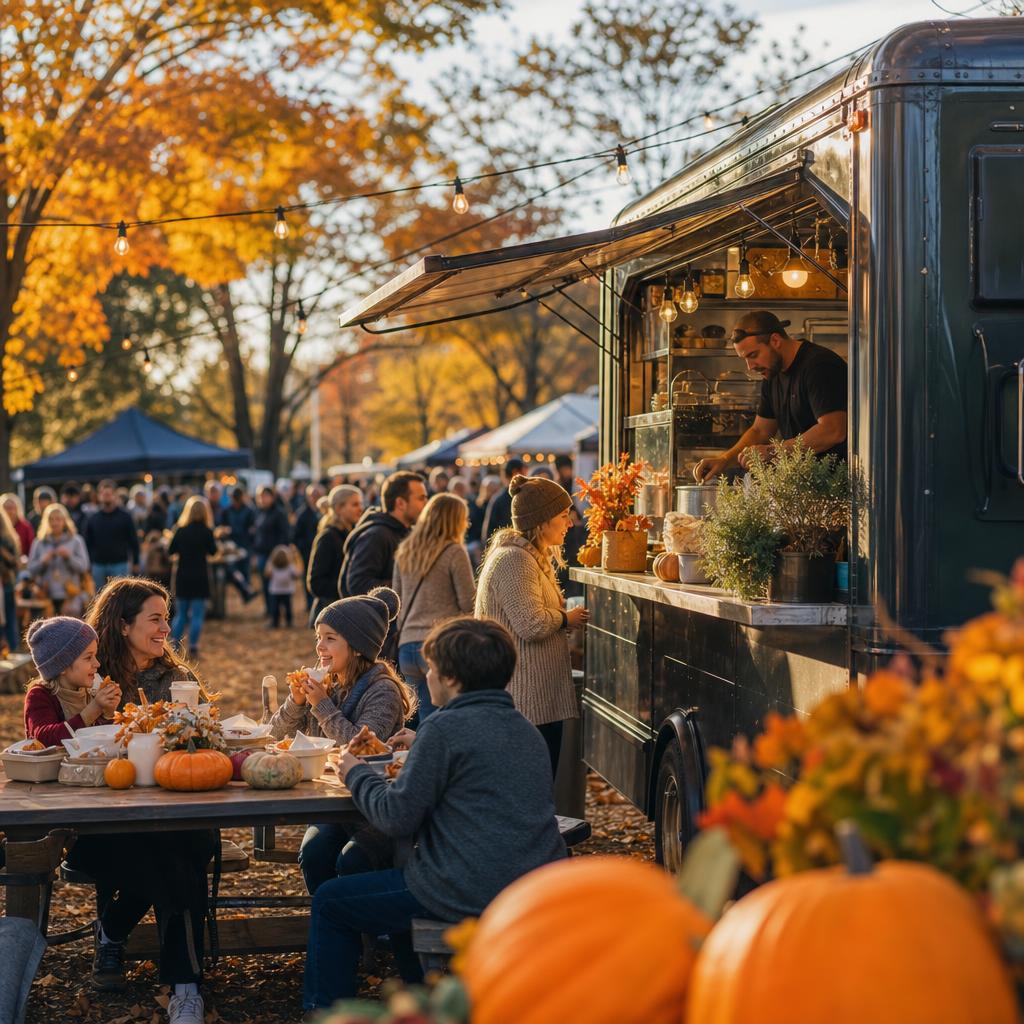
If you are hosting a food truck event in South Jersey, start by confirming the event location, municipality, local health department, and the truck’s own permit and insurance requirements. New Jersey rules can involve more than one approval, and the exact process depends on where and how the event operates.
Start with the municipality and local health department
The New Jersey Department of Health Retail Food program explains the state’s retail-food framework and provides contacts for food-safety questions. New Jersey’s temporary-food guidance also says vendors should coordinate with the applicable municipality and local health department before operating in that jurisdiction.
That means a host should not assume that a truck’s approval in one town automatically covers a different event location. Give the operator the exact venue address, event date, service window, expected menu, and whether the event is public or private. Ask which applications or supporting documents the town or health department expects.
Ask the operator what is already covered
Before signing a contract, ask the truck for a clear list of what it handles and what the event host must provide. Depending on the location, the conversation may include:
- Temporary food permits or local health approvals
- Proof of insurance and the venue’s additional-insured requirements
- Commercial-kitchen or commissary information
- Food-safety certifications and inspection documentation
- Fire-safety, propane, generator, or vehicle requirements
- Parking, access, power, hand-washing, waste, and gray-water plans
The New Jersey temporary food vendor guidance is a useful official starting point, but it does not replace instructions from the municipality or local health department handling your event.
Do not overlook fire-safety questions
Cooking equipment, propane, generators, and vehicle placement can create separate fire-safety questions. The New Jersey Department of Community Affairs Fire Safety portal includes food-truck business registration and temporary-permit actions; hosts can use the DCA Fire Safety portal to identify the appropriate state process and then confirm local requirements.
Ask the venue whether it has restrictions on propane, generators, parking surfaces, overhead clearance, or cooking near buildings. Put the agreed setup location in writing so the truck is not forced to improvise on event day.
A simple permit conversation checklist
Send the operator and venue these details early:
- Exact street address and municipality
- Event date, guest estimate, and service hours
- Public, private, school, corporate, or ticketed-event status
- Menu and cooking method
- Truck arrival time and parking plan
- Power, water, waste, and weather arrangements
- Contact for the venue, municipality, and health department
The directory can help you build a shortlist of operators across South Jersey counties, but the final permit conversation belongs with the truck, venue, and applicable authorities.
Frequently asked questions
Does every South Jersey food truck event need the same permit?
No. Requirements can vary by municipality, event type, venue, menu, and whether the operation is temporary or recurring. Contact the local health department and municipality for the event address, then ask the operator what documentation it already maintains.
Is a truck’s permit automatically valid in another town?
Do not assume that. New Jersey temporary-food guidance directs vendors to coordinate with the applicable municipality and local health department. Confirm the event location before relying on any prior approval.
Should the host or the truck handle permits?
It depends on the event and local process. Put responsibilities in writing, including who submits forms, pays fees, provides insurance certificates, and communicates with the health or fire official.
Does the directory provide legal or permit approval?
No. South Jersey Food Truck is a directory and planning resource. Always confirm current requirements with the municipality, local health department, venue, and operator.
Sources
- New Jersey Department of Health Retail Food program
- Food Service Guidance for New Jersey Temporary Food Vendors
- New Jersey DCA Fire Safety portal
Frequently asked questions
Does every South Jersey food truck event need the same permit?
No. Requirements can vary by municipality, event type, venue, menu, and whether the operation is temporary or recurring. Contact the local health department and municipality for the event address.
Is a truck’s permit automatically valid in another town?
Do not assume that. New Jersey temporary-food guidance directs vendors to coordinate with the applicable municipality and local health department for each operating location.
Should the host or the truck handle permits?
It depends on the event and local process. Put responsibilities in writing, including who submits forms, pays fees, provides insurance certificates, and communicates with officials.
Does the directory provide legal or permit approval?
No. South Jersey Food Truck is a directory and planning resource. Confirm current requirements with the municipality, local health department, venue, and operator.