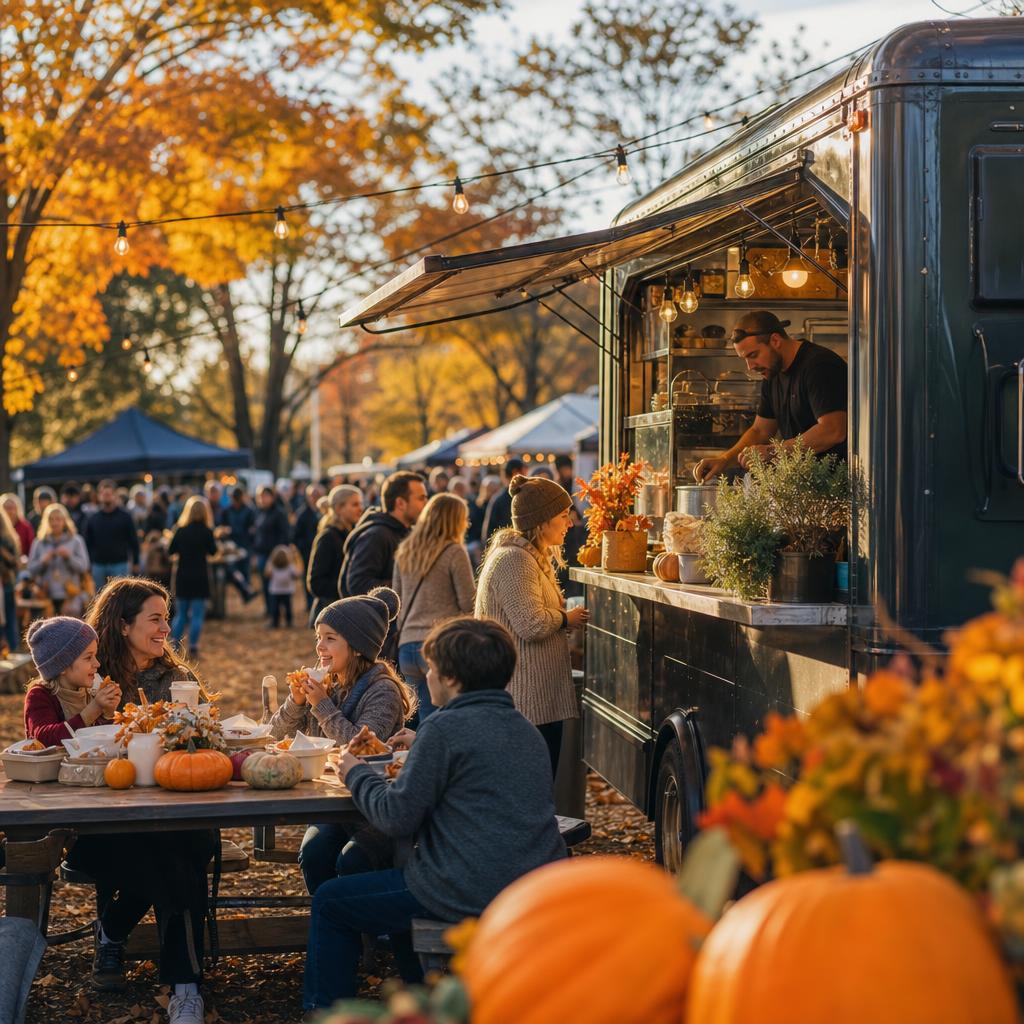
A food truck event should have a weather plan before the first guest arrives. Rain can make parking and walking routes difficult, while lightning, high winds, flooding, and extreme heat can change whether outdoor service is safe.
The National Weather Service outdoor-event guidance recommends planning for weather that can affect attendees. Its lightning safety guidance reinforces that people should move to substantial shelter when thunderstorms threaten; a tent or picnic pavilion is not automatically a safe substitute.
Assign one weather contact
Choose a named event contact to watch forecasts, radar, alerts, and site conditions. Decide how that person will communicate with the host, food truck, venue, security, and guests. For a larger event, set check-in times the day before, the morning of, and before service.
Decide what happens in rain
Rain does not always require cancellation, but it can affect access, parking, power, food protection, and guest comfort. Confirm whether the truck can operate in the planned location, whether guests have a covered waiting area, and whether the route remains firm and usable.
Never place a canopy, cord, sign, or temporary structure where it blocks a route or creates a trip hazard. Ask the operator and venue what weather protections are approved for equipment.
Treat lightning differently
Identify substantial indoor shelter before the event. Communicate where guests should go, who pauses service, and how the event resumes. The National Weather Service says no place outside is safe during a thunderstorm; do not direct guests under isolated trees or partially enclosed structures for protection.
The truck may need time to secure equipment or wait for conditions to improve. Put the service-pause process in the event plan so it is not improvised.
Prepare for heat, wind, and flooding
For hot weather, plan shade, water, shorter waits, and a way to communicate delays. For wind, ask about signs, canopies, loose supplies, and equipment. For heavy rain, inspect low areas and driveways for standing water before arrival.
Your written plan should name the weather contacts, forecast check times, shelter, service-pause decision-maker, guest communication method, truck schedule changes, and postponement or cancellation terms.
Browse the South Jersey event guides for broader planning help, then contact operators through the food truck directory.
Frequently asked questions
Is a tent enough shelter during lightning?
No. The National Weather Service says no place outside is safe during a thunderstorm. Identify substantial indoor shelter before the event.
Who decides whether service pauses?
The host, venue, and operator should agree before the event. The plan should prioritize guests, staff, equipment, and local conditions.
Can food trucks operate in rain?
Some can, but conditions vary by vehicle, equipment, parking, wind, electrical setup, and venue rules. Ask the operator and confirm a backup plan.
Sources
- National Weather Service: Outdoor Event Weather Preparedness
- National Weather Service: Lightning Safety
Frequently asked questions
Is a tent enough shelter during lightning?
No. The National Weather Service says no place outside is safe during a thunderstorm. Identify substantial indoor shelter before the event.
Who decides whether service pauses?
The host, venue, and operator should agree before the event. The plan should prioritize guests, staff, equipment, and local conditions.
Can food trucks operate in rain?
Some can, but conditions vary by vehicle, equipment, parking, wind, electrical setup, and venue rules. Ask the operator and confirm a backup plan.